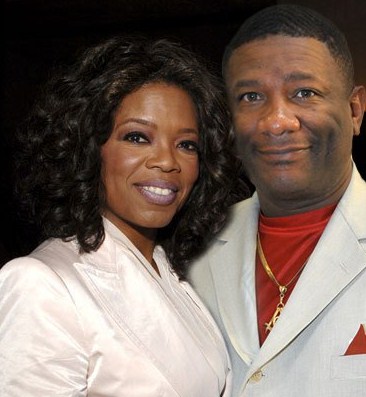
Washington D.C. - Bishop L.J. Guillory, A 25 Year Vet of The Republican Party Speaks Out About The Republican Party: "We Built It Campaign"
"We
Built it! Rich Families Continue Making Money and Taking The Credit For Our Slave Labor!"
"No
Romney/Ryan and Odious Republican Party You Did Not Build it!"
"The
African/Blacks, Poor Whites, and Legal/illegal Immigrants Built it!"
Most
citizens of the United States take for granted labor laws which protect them
from the evils of unregulated industry. Perhaps the majority of those who argue
for "free enterprise" and the removal of restrictions on capitalist
corporations are unaware that over the course of this country's history,
workers have fought and often died for protection from capitalist industry. In
many instances, government troops were called out to crush strikes, at times
firing on protesters. Presented below are a few of the many incidents in the
(too often overlooked) tumultuous labor history of this country.
1619
In North America's first recorded labor uprising, Polish craftsmen, who produced glass, pitch & tar for the Jamestown colony, went on strike to protest their lack of voting rights. The incident ended peacefully when the Poles were granted full voting rights.
In North America's first recorded labor uprising, Polish craftsmen, who produced glass, pitch & tar for the Jamestown colony, went on strike to protest their lack of voting rights. The incident ended peacefully when the Poles were granted full voting rights.
1806
The union of Philadelphia Journeymen Cordwainers was convicted of and bankrupted by charges of criminal conspiracy after a strike for higher wages, setting a precedent by which the U.S. government would combat unions for years to come.
The union of Philadelphia Journeymen Cordwainers was convicted of and bankrupted by charges of criminal conspiracy after a strike for higher wages, setting a precedent by which the U.S. government would combat unions for years to come.
27 April 1825
The first strike for the 10-hour work-day occurred by carpenters in Boston.
The first strike for the 10-hour work-day occurred by carpenters in Boston.
3 July 1835
Children employed in the silk mills in Paterson, NJ went on strike for the 11 hour day/6 day week.
Children employed in the silk mills in Paterson, NJ went on strike for the 11 hour day/6 day week.
July 1851
Two railroad strikers were shot dead and others injured by the state militia in Portgage, New York.
Two railroad strikers were shot dead and others injured by the state militia in Portgage, New York.
1860
800 women operatives and 4,000 workmen marched during a shoemaker's strike in Lynn, Massachusetts.
800 women operatives and 4,000 workmen marched during a shoemaker's strike in Lynn, Massachusetts.
13 January 1874
The original Tompkins Square Riot. As unemployed workers demonstrated in New York's Tompkins Square Park, a detachment of mounted police charged into the crowd, beating men, women and children indiscriminately with billy clubs and leaving hundreds of casualties in their wake. Commented Abram Duryee, the Commissioner of Police: "It was the most glorious sight I ever saw..."
The original Tompkins Square Riot. As unemployed workers demonstrated in New York's Tompkins Square Park, a detachment of mounted police charged into the crowd, beating men, women and children indiscriminately with billy clubs and leaving hundreds of casualties in their wake. Commented Abram Duryee, the Commissioner of Police: "It was the most glorious sight I ever saw..."
12 February 1877
U.S. railroad workers began strikes to protest wage cuts.
U.S. railroad workers began strikes to protest wage cuts.
21 June 1877
Ten coal-mining activists ("Molly Maguires") were hanged in Pennsylvania.
Ten coal-mining activists ("Molly Maguires") were hanged in Pennsylvania.
14 July 1877
A general strike halted the movement of U.S. railroads. In the following days, strike riots spread across the United States. The next week, federal troops were called out to force an end to the nationwide strike. At the "Battle of the Viaduct" in Chicago, federal troops (recently returned from an Indian massacre) killed 30 workers and wounded over 100.
A general strike halted the movement of U.S. railroads. In the following days, strike riots spread across the United States. The next week, federal troops were called out to force an end to the nationwide strike. At the "Battle of the Viaduct" in Chicago, federal troops (recently returned from an Indian massacre) killed 30 workers and wounded over 100.
5 September 1882
Thirty thousand workers marched in the first Labor Day parade in New York City.
Thirty thousand workers marched in the first Labor Day parade in New York City.
1884
The Federation of Organized Trades and Labor Unions, forerunner of the AFL, passed a resolution stating that "8 hours shall constitute a legal day's work from and after May 1, 1886." Though the Federation did not intend to stimulate a mass insurgency, its resolution had precisely that effect.
The Federation of Organized Trades and Labor Unions, forerunner of the AFL, passed a resolution stating that "8 hours shall constitute a legal day's work from and after May 1, 1886." Though the Federation did not intend to stimulate a mass insurgency, its resolution had precisely that effect.
Late 1885/Early 1886
Hundreds of thousands of American workers, increasingly determined to resist subjugation to capitalist power, poured into a fledgling labor organization, the Knights of Labor. Beginning on May 1, 1886, they took to the streets to demand the universal adoption of the eight hour day.
Hundreds of thousands of American workers, increasingly determined to resist subjugation to capitalist power, poured into a fledgling labor organization, the Knights of Labor. Beginning on May 1, 1886, they took to the streets to demand the universal adoption of the eight hour day.
Chicago was the center
of the movement. Workers there had been agitating for an eight hour day for
months, and on the eve of May 1, 50,000 workers were already on strike. 30,000
more swelled their ranks the next day, bringing most of Chicago manufacturing
to a standstill. Fears of violent class conflict gripped the city. No violence
occurred on May 1 -- a Saturday -- or May 2. But on Monday, May 3, a fight
involving hundreds broke out at McCormick Reaper between locked-out unionists
and the non-unionist workers McCormick hired to replace them. The Chicago
police, swollen in number and heavily armed, quickly moved in with clubs and
guns to restore order. They left four unionists dead and many others wounded.
Angered by the deadly
force of the police, a group of anarchists, led by August Spies and Albert
Parsons, called on workers to arm themselves and participate in a massive
protest demonstration in Haymarket Square on Tuesday evening, May 4. The
demonstration appeared to be a complete bust, with only 3,000 assembling. But
near the end of the evening, an individual, whose identity is still in dispute,
threw a bomb that killed seven policemen and injured 67 others. Hysterical city
and state government officials rounded up eight anarchists, tried them for
murder, and sentenced them to death.
On 11 November 1887,
four of them, including Parsons and Spies, were executed. All of the executed
advocated armed struggle and violence as revolutionary methods, but their
prosecutors found no evidence that any had actually thrown the Haymarket bomb.
They died for their words, not their deeds. A quarter of a million people lined
Chicago's street during Parson's funeral procession to express their outrage at
this gross mis-carriage of justice.
For radicals and trade
unionists everywhere, Haymarket became a symbol of the stark inequality and
injustice of capitalist society. The May 1886 Chicago events figured
prominently in the decision of the founding congress of the Second
International (Paris, 1889) to make May 1, 1890 a demonstration of the
solidarity and power of the international working class movement. May Day has
been a celebration of international socialism and (after 1917) international
communism ever since.
The Bayview Massacre
also took place at this time, where seven people, including one child, were
killed by state militia. On 1 May 1886 about 2,000 Polish workers walked off
their jobs and gathered at Saint Stanislaus Church in Milwaukee, angrily
denouncing the ten hour workday. They then marched through the city, calling on
other workers to join them; as a result, all but one factory was closed down as
sixteen thousand protesters gathered at Rolling Mills, prompting Wisconsin Governor
Jeremiah Rusk to call the state militia. The militia camped out at the mill
while workers slept in nearby fields, and on the morning of May 5th, as protesters
chanted for the eight hour workday, General Treaumer ordered his men to shoot
into the crowd, some of whom were carrying sticks, bricks, and scythes, leaving
seven dead at the scene. The Milwaukee Journal reported that eight more would
die within twenty four hours, and without hesitation added that Governor Rusk
was to be commended for his quick action in the matter.
23 November 1887
The Thibodaux Massacre. The Louisiana Militia, aided by bands of "prominent citizens," shot at least 35 unarmed black sugar workers striking to gain a dollar-per-day wage, and lynched two strike leaders.
The Thibodaux Massacre. The Louisiana Militia, aided by bands of "prominent citizens," shot at least 35 unarmed black sugar workers striking to gain a dollar-per-day wage, and lynched two strike leaders.
25 July 1890
New York garment workers won the right to unionize after a seven-month strike. They secured agreements for a closed shop, and firing of all scabs.
New York garment workers won the right to unionize after a seven-month strike. They secured agreements for a closed shop, and firing of all scabs.
6 July 1892
The Homestead Strike. Pinkerton Guards, trying to pave the way for the introduction of scabs, opened fire on striking Carnegie mill steel- workers in Homestead, Pennsylvania. In the ensuing battle, three Pinkertons surrendered; then, unarmed, they were set upon and beaten by a mob of townspeople, most of them women. Seven guards and eleven strikers and spectators were shot to death.
The Homestead Strike. Pinkerton Guards, trying to pave the way for the introduction of scabs, opened fire on striking Carnegie mill steel- workers in Homestead, Pennsylvania. In the ensuing battle, three Pinkertons surrendered; then, unarmed, they were set upon and beaten by a mob of townspeople, most of them women. Seven guards and eleven strikers and spectators were shot to death.
11 July 1892
Striking miners in Coeur D'Alene, Idaho dynamited the Frisco Mill, leaving it in ruins.
Striking miners in Coeur D'Alene, Idaho dynamited the Frisco Mill, leaving it in ruins.
1893
The first of several bloody mining strikes at Cripple Creek, Colorado.
The first of several bloody mining strikes at Cripple Creek, Colorado.
5 July 1893
During a strike against the Pullman Palace Car Company, which had drastically reduced wages, the 1892 World's Columbian Exposition in Chicago's Jackson Park was set ablaze, and seven buildings were reduced to ashes. The mobs raged on, burning and looting railroad cars and fighting police in the streets, until 10 July, when 14,000 federal and state troops finally succeeded in putting down the strike.
During a strike against the Pullman Palace Car Company, which had drastically reduced wages, the 1892 World's Columbian Exposition in Chicago's Jackson Park was set ablaze, and seven buildings were reduced to ashes. The mobs raged on, burning and looting railroad cars and fighting police in the streets, until 10 July, when 14,000 federal and state troops finally succeeded in putting down the strike.
1894
Federal troops killed 34 American Railway Union members in the Chicago area attempting to break a strike, led by Eugene Debs, against the Pullman Company. Debs and several others were imprisoned for violating injunctions, causing disintegration of the union.
Federal troops killed 34 American Railway Union members in the Chicago area attempting to break a strike, led by Eugene Debs, against the Pullman Company. Debs and several others were imprisoned for violating injunctions, causing disintegration of the union.
21 September 1896
The state militia was sent to Leadville, Colorado to break a miner's strike.
The state militia was sent to Leadville, Colorado to break a miner's strike.
10 September 1897
19 unarmed striking coal miners and mine workers were killed and 36 wounded by a posse organized by the Luzerne County sheriff for refusing to disperse near Lattimer, Pennsylvania. The strikers, most of whom were shot in the back, were originally brought in as strike-breakers, but later organized themselves.
19 unarmed striking coal miners and mine workers were killed and 36 wounded by a posse organized by the Luzerne County sheriff for refusing to disperse near Lattimer, Pennsylvania. The strikers, most of whom were shot in the back, were originally brought in as strike-breakers, but later organized themselves.
1898
A portion of the Erdman Act, which would have made it a criminal offense for railroads to dismiss employees or discriminate against prospective employees based on their union activities, was declared invalid by the United States Supreme Court.
A portion of the Erdman Act, which would have made it a criminal offense for railroads to dismiss employees or discriminate against prospective employees based on their union activities, was declared invalid by the United States Supreme Court.
12 October 1898
Fourteen were killed, 25 wounded in violence resulting when Virden, Illinois mine owners attempted to break a strike by importing 200 nonunion black workers.
Fourteen were killed, 25 wounded in violence resulting when Virden, Illinois mine owners attempted to break a strike by importing 200 nonunion black workers.
29 April 1899
When their demand that only union men be employed was refused, members of the Western Federation of Miners dynamited the $250,000 mill of the Bunker Hill Company at Wardner, Idaho, destroying it completely. President McKinley responded by sending in black soldiers from Brownsville, Texas with orders to round up thousands of miners and confine them in specially built "bullpens."
When their demand that only union men be employed was refused, members of the Western Federation of Miners dynamited the $250,000 mill of the Bunker Hill Company at Wardner, Idaho, destroying it completely. President McKinley responded by sending in black soldiers from Brownsville, Texas with orders to round up thousands of miners and confine them in specially built "bullpens."
1899 and 1901
U.S. Army troops occupied the Coeur d'Alene mining region in Idaho.
U.S. Army troops occupied the Coeur d'Alene mining region in Idaho.
12
May 1902
Over 100,000 miners went on strike in eastern Pennsylvania over the issue of federal mediation in labor issues. The strike was settled 163 days later with the commencement of a Federally-authorized commission that recommended wage increases and reductions in the length of the workday.
Over 100,000 miners went on strike in eastern Pennsylvania over the issue of federal mediation in labor issues. The strike was settled 163 days later with the commencement of a Federally-authorized commission that recommended wage increases and reductions in the length of the workday.
12 October 1902
fourteen miners were killed and 22 wounded by scabherders at Pana, Illinois.
fourteen miners were killed and 22 wounded by scabherders at Pana, Illinois.
23 November 1903
Troops were dispatched to Cripple Creek, Colorado to control rioting by striking coal miners.
Troops were dispatched to Cripple Creek, Colorado to control rioting by striking coal miners.
July 1903
Labor organizer Mary Harris ("Mother") Jones leads child workers in demanding a 55 hour work week.
Labor organizer Mary Harris ("Mother") Jones leads child workers in demanding a 55 hour work week.
23 February 1904
William Randolph Hearst's San Francisco Chronicle began publishing articles on the menace of Japanese laborers, leading to a resolution of the California Legislature that action be taken against their immigration.
William Randolph Hearst's San Francisco Chronicle began publishing articles on the menace of Japanese laborers, leading to a resolution of the California Legislature that action be taken against their immigration.
8 June 1904
A battle between the Colorado Militia and striking miners at Dunnville ended with six union members dead and 15 taken prisoner. Seventy-nine of the strikers were deported to Kansas two days later.
A battle between the Colorado Militia and striking miners at Dunnville ended with six union members dead and 15 taken prisoner. Seventy-nine of the strikers were deported to Kansas two days later.
17 April 1905
The Supreme Court held that a maximum hour’s law for New York bakery workers was unconstitutional under the due process clause of the 14th amendment.
The Supreme Court held that a maximum hour’s law for New York bakery workers was unconstitutional under the due process clause of the 14th amendment.
1908
The Erdman Act was further weakened when Section 10 was declared unconstitutional. This section had made it illegal for railroad employers to fire employees for being involved in union activities (see 1898).
The Erdman Act was further weakened when Section 10 was declared unconstitutional. This section had made it illegal for railroad employers to fire employees for being involved in union activities (see 1898).
22 November 1909
The "Uprising of the 20,000." Female garment workers went on strike in New York; many were arrested. A judge told those arrested: "You are on strike against God."
The "Uprising of the 20,000." Female garment workers went on strike in New York; many were arrested. A judge told those arrested: "You are on strike against God."
25 December 1910
A dynamite bomb destroyed a portion of the Llewellyn Ironworks in Los Angeles, where a bitter strike was in progress.
A dynamite bomb destroyed a portion of the Llewellyn Ironworks in Los Angeles, where a bitter strike was in progress.
1911
The Supreme Court ordered the AFL to cease its promotion of a boycott against the Bucks Stove and Range Company. A contempt charge against union leaders (including AFL President Samuel Gompers) was dismissed on technical grounds.
The Supreme Court ordered the AFL to cease its promotion of a boycott against the Bucks Stove and Range Company. A contempt charge against union leaders (including AFL President Samuel Gompers) was dismissed on technical grounds.
25 March 1911
The Triangle Shirtwaist Company fire. The Triangle Shirtwaist Company, occupying the top three floors of a ten-story building in New York City, was consumed by fire. One hundred and forty-seven people, mostly women and young girls working in sweatshop conditions, lost their lives. Approximately 50 died as they leapt from windows to the street; the others were burned or trampled to death as they desperately attempted to escape through stairway exits locked as a precaution against "the interruption of work". On 11 April the company's owners were indicted for manslaughter.
The Triangle Shirtwaist Company fire. The Triangle Shirtwaist Company, occupying the top three floors of a ten-story building in New York City, was consumed by fire. One hundred and forty-seven people, mostly women and young girls working in sweatshop conditions, lost their lives. Approximately 50 died as they leapt from windows to the street; the others were burned or trampled to death as they desperately attempted to escape through stairway exits locked as a precaution against "the interruption of work". On 11 April the company's owners were indicted for manslaughter.
2 December 1911
A Chicago "slugger," paid $50 by labor unions for every scab he "discouraged," described his job in an interview: "Oh, there ain't nothin' to it. I gets my fifty, then I goes out and finds the guy they wanna have slugged. I goes up to `im and I says to `im, `My friend, by way of meaning no harm,' and then I gives it to `im -- biff! in the mug. Nothin' to it."
A Chicago "slugger," paid $50 by labor unions for every scab he "discouraged," described his job in an interview: "Oh, there ain't nothin' to it. I gets my fifty, then I goes out and finds the guy they wanna have slugged. I goes up to `im and I says to `im, `My friend, by way of meaning no harm,' and then I gives it to `im -- biff! in the mug. Nothin' to it."
24 February 1912
Women and children were beaten by police during a textile strike in Lawrence, Massachusetts.
Women and children were beaten by police during a textile strike in Lawrence, Massachusetts.
18 April 1912
The National Guard was called out against striking West Virginia coal miners.
The National Guard was called out against striking West Virginia coal miners.
11 June 1913
Police shot three maritime workers (one of whom was killed) who were striking against the United Fruit Company in New Orleans.
Police shot three maritime workers (one of whom was killed) who were striking against the United Fruit Company in New Orleans.
5 January 1914
The Ford Motor Company raised its basic wage from $2.40 for a nine hour day to $5 for an eight hour day.
The Ford Motor Company raised its basic wage from $2.40 for a nine hour day to $5 for an eight hour day.
20 April 1914
The "Ludlow Massacre." In an attempt to persuade strikers at Colorado's Ludlow Mine Field to return to work, company "guards," engaged by John D. Rockefeller, Jr. and other mine operators and sworn into the State Militia just for the occasion, attacked a union tent camp with machine guns, then set it afire. Five men, two women and 12 children died as a result. Additional web resources are cataloged atwww.holtlaborlibrary.org/ludlow.html#Web%20Sites.
The "Ludlow Massacre." In an attempt to persuade strikers at Colorado's Ludlow Mine Field to return to work, company "guards," engaged by John D. Rockefeller, Jr. and other mine operators and sworn into the State Militia just for the occasion, attacked a union tent camp with machine guns, then set it afire. Five men, two women and 12 children died as a result. Additional web resources are cataloged atwww.holtlaborlibrary.org/ludlow.html#Web%20Sites.
13 November 1914
A Western Federation of Miners strike is crushed by the militia in Butte, Montana.
A Western Federation of Miners strike is crushed by the militia in Butte, Montana.
19 January 1915
World famous labor leader Joe Hill was arrested in Salt Lake City. He was convicted on trumped up murder charges, and was executed 21 months later despite worldwide protests and two attempts to intervene by President Woodrow Wilson. In a letter to Bill Haywood shortly before his death he penned the famous words, "Don't mourn - organize!"
World famous labor leader Joe Hill was arrested in Salt Lake City. He was convicted on trumped up murder charges, and was executed 21 months later despite worldwide protests and two attempts to intervene by President Woodrow Wilson. In a letter to Bill Haywood shortly before his death he penned the famous words, "Don't mourn - organize!"
On this same day, twenty
rioting strikers were shot by factory guards at Roosevelt, New Jersey.
25 January 1915
The Supreme Court upholds "yellow dog" contracts, which forbid membership in labor unions. 22 July 1916
A bomb was set off during a "Preparedness Day" parade in San Francisco, killing 10 and injuring 40 more. Thomas J. Mooney, a labor organizer and Warren K. Billings, a shoe worker, were convicted, but were both pardoned in 1939.
19 August 1916
Strikebreakers hired by the Everett Mills owner Neil Jamison attacked and beat picketing strikers in Everett, Washington. Local police watched and refused to intervene, claiming that the waterfront where the incident took place was Federal land and therefore outside their jurisdiction. (When the picketers retaliated against the strikebreakers that evening, the local police intervened, claiming that they had crossed the line of jurisdiction.)
Strikebreakers hired by the Everett Mills owner Neil Jamison attacked and beat picketing strikers in Everett, Washington. Local police watched and refused to intervene, claiming that the waterfront where the incident took place was Federal land and therefore outside their jurisdiction. (When the picketers retaliated against the strikebreakers that evening, the local police intervened, claiming that they had crossed the line of jurisdiction.)
Three days later,
twenty-two union men attempted to speak out at a local crossroads, but each was
arrested; arrests and beatings of strikebreakers became common throughout the
following months, and on 30 October vigilantes forced IWW speakers to run the
gauntlet, subjecting them to whipping, tripping kicking, and impalement against
a spiked cattle guard at the end of the gauntlet. In response, the IWW called
for a meeting on 5 November. When the union men arrived, they were fired on;
seven people were killed, 50 were wounded, and an indeterminate number wound up
missing.
7 September 1916
Federal employees win the right to receive Worker's Compensation insurance.
Federal employees win the right to receive Worker's Compensation insurance.
12 July 1917
After seizing the local Western Union telegraph office in order to cut off outside communication, several thousand armed vigilantes forced 1,185 men in Bisbee, Arizona into manure-laden boxcars and "deported" them to the New Mexico desert. The action was precipitated by a strike when workers' demands (including improvements to safety and working conditions at the local copper mines, an end to discrimination against labor organizations and unequal treatment of foreign and minority workers, and the institution of a fair wage system) went unmet. The "deportation" was organized by Sheriff Harry Wheeler. The incident was investigated months later by a Federal Mediation Commission set up by President Woodrow Wilson; the Commission found that no federal law applied, and referred the case to the State of Arizona, which failed to take any action, citing patriotism and support for the war as justification for the vigilantes' action.
After seizing the local Western Union telegraph office in order to cut off outside communication, several thousand armed vigilantes forced 1,185 men in Bisbee, Arizona into manure-laden boxcars and "deported" them to the New Mexico desert. The action was precipitated by a strike when workers' demands (including improvements to safety and working conditions at the local copper mines, an end to discrimination against labor organizations and unequal treatment of foreign and minority workers, and the institution of a fair wage system) went unmet. The "deportation" was organized by Sheriff Harry Wheeler. The incident was investigated months later by a Federal Mediation Commission set up by President Woodrow Wilson; the Commission found that no federal law applied, and referred the case to the State of Arizona, which failed to take any action, citing patriotism and support for the war as justification for the vigilantes' action.
15 March 1917
The Supreme Court approved the Eight-Hour Act under the threat of a national railway strike.
The Supreme Court approved the Eight-Hour Act under the threat of a national railway strike.
1 August 1917
IWW organizer Frank Little was lynched in Butte, Montana.
IWW organizer Frank Little was lynched in Butte, Montana.
5 September 1917
Federal agents raided the IWW headquarters in 48 cities.
Federal agents raided the IWW headquarters in 48 cities.
3 June 1918
A Federal child labor law, enacted two years earlier, was declared unconstitutional. A new law was enacted 24 February 1919, but this one too was declared unconstitutional on 15 May 1922.
A Federal child labor law, enacted two years earlier, was declared unconstitutional. A new law was enacted 24 February 1919, but this one too was declared unconstitutional on 15 May 1922.
27 July 1918
United Mine Workers organizer Ginger Goodwin was shot by a hired private policeman outside Cumberland, British Columbia.
United Mine Workers organizer Ginger Goodwin was shot by a hired private policeman outside Cumberland, British Columbia.
26 August 1919
United Mine Worker organizer Fannie Sellins was gunned down by company guards in Brackenridge, Pennsylvania.
United Mine Worker organizer Fannie Sellins was gunned down by company guards in Brackenridge, Pennsylvania.
19 September 1919
Looting, rioting and sporadic violence broke out in downtown Boston and South Boston for days after 1,117 Boston policemen declared a work stoppage due to their thwarted attempts to affiliate with the American Federation of Labor. Massachusetts Governor Calvin Coolidge put down the strike by calling out the entire state militia.
Looting, rioting and sporadic violence broke out in downtown Boston and South Boston for days after 1,117 Boston policemen declared a work stoppage due to their thwarted attempts to affiliate with the American Federation of Labor. Massachusetts Governor Calvin Coolidge put down the strike by calling out the entire state militia.
22 September 1919
The "Great Steel Strike" began. Ultimately, 350,000 steel workers walked off their jobs to demand union recognition. The AFL Iron and Steel Organizing Committee called off the strike on 8 January 1920, their goals unmet.
The "Great Steel Strike" began. Ultimately, 350,000 steel workers walked off their jobs to demand union recognition. The AFL Iron and Steel Organizing Committee called off the strike on 8 January 1920, their goals unmet.
11 November 1919
The Centralia Massacre. Violence erupted when members of the American Legion attempted to force their way into an IWW hall in Centralia, Washington during an Armistice Day anniversary celebration. Four Legionnaires were shot dead by members of the IWW, after which IWW organizer Wesley Everest was lynched by a local mob.
The Centralia Massacre. Violence erupted when members of the American Legion attempted to force their way into an IWW hall in Centralia, Washington during an Armistice Day anniversary celebration. Four Legionnaires were shot dead by members of the IWW, after which IWW organizer Wesley Everest was lynched by a local mob.
22 December 1919
Amid a strike for union recognition by 395,000 steelworkers (ultimately unsuccessful), approximately 250 "anarchists," "communists," and "labor agitators" were deported to Russia, marking the beginning of the so-called "Red Scare."
Amid a strike for union recognition by 395,000 steelworkers (ultimately unsuccessful), approximately 250 "anarchists," "communists," and "labor agitators" were deported to Russia, marking the beginning of the so-called "Red Scare."
2 January 1920
The U.S. Bureau of Investigation began carrying out the nationwide Palmer Raids. Federal agents seized labor leaders and literature in the hopes of discouraging labor activity. A number of citizens were turned over to state officials for prosecution under various anti-anarchy statutes.
The U.S. Bureau of Investigation began carrying out the nationwide Palmer Raids. Federal agents seized labor leaders and literature in the hopes of discouraging labor activity. A number of citizens were turned over to state officials for prosecution under various anti-anarchy statutes.
19 May 1920
The Battle of Matewan. Despite efforts by police chief (and former miner) Sid Hatfield and Mayor C. Testerman to protect miners from interference in their union drive in Matewan, West Virginia, Baldwin-Felts detectives hired by the local mining company and thirteen of the company's managers arrived to evict miners and their families from the Stone Mountain Mine camp. A gun battle ensued, resulting in the deaths of 7 detectives, Mayor Testerman, and 2 miners. Baldwin-Felts detectives assassinated Sid Hatfield 15 months later, sparking off an armed rebellion of 10,000 West Virginia coal miners at "The Battle of Blair Mountain," dubbed "the largest insurrection this country has had since the Civil War" by The Battle of Matewan Home Page.
The Battle of Matewan. Despite efforts by police chief (and former miner) Sid Hatfield and Mayor C. Testerman to protect miners from interference in their union drive in Matewan, West Virginia, Baldwin-Felts detectives hired by the local mining company and thirteen of the company's managers arrived to evict miners and their families from the Stone Mountain Mine camp. A gun battle ensued, resulting in the deaths of 7 detectives, Mayor Testerman, and 2 miners. Baldwin-Felts detectives assassinated Sid Hatfield 15 months later, sparking off an armed rebellion of 10,000 West Virginia coal miners at "The Battle of Blair Mountain," dubbed "the largest insurrection this country has had since the Civil War" by The Battle of Matewan Home Page.
1920 and 1921
Army troops were used to intervene against striking mineworkers in West Virginia. Details of these events can be found in the extensive and excellent article at www.wvculture.org/history/journal_wvh/wvh50-1.html.
Army troops were used to intervene against striking mineworkers in West Virginia. Details of these events can be found in the extensive and excellent article at www.wvculture.org/history/journal_wvh/wvh50-1.html.
22 June 1922
Violence erupted during a coal-mine strike at Herrin, Illinois. Thirty-six were killed, 21 of them non-union miners.
Violence erupted during a coal-mine strike at Herrin, Illinois. Thirty-six were killed, 21 of them non-union miners.
2 June 1924
A child labor amendment to the U.S. Constitution was proposed; only 28 of the necessary 36 states ever ratified it.
A child labor amendment to the U.S. Constitution was proposed; only 28 of the necessary 36 states ever ratified it.
14 June 1924
A San Pedro, California IWW hall was raided; a number of children were scalded when the hall was demolished.
A San Pedro, California IWW hall was raided; a number of children were scalded when the hall was demolished.
25 May 1925
Two company houses occupied by nonunion coal miners were blown up and destroyed by labor "racketeers" during a strike against the Glendale Gas and Coal Company in Wheeling, West Virginia.
Two company houses occupied by nonunion coal miners were blown up and destroyed by labor "racketeers" during a strike against the Glendale Gas and Coal Company in Wheeling, West Virginia.
1926
Textile workers fought with police in Passaic, New Jersey. A year-long strike ensued.
Textile workers fought with police in Passaic, New Jersey. A year-long strike ensued.
21 November 1927
Picketing miners were massacred in Columbine, Colorado.
Picketing miners were massacred in Columbine, Colorado.
3 February 1930
"Chicagorillas" -- labor racketeers -- shot and killed contractor William Healy, with whom the Chicago Marble Setters Union had been having difficulties.
"Chicagorillas" -- labor racketeers -- shot and killed contractor William Healy, with whom the Chicago Marble Setters Union had been having difficulties.
14 April 1930
Over 100 farm workers were arrested for their unionizing activities in Imperial Valley, California. Eight were subsequently convicted of `criminal syndicalism.'
Over 100 farm workers were arrested for their unionizing activities in Imperial Valley, California. Eight were subsequently convicted of `criminal syndicalism.'
4 May 1931
Gun-toting vigilantes attack striking miners in Harlan County, Kentucky.
Gun-toting vigilantes attack striking miners in Harlan County, Kentucky.
7 March 1932
Police kill striking workers at Ford's Dearborn, Michigan plant.
Police kill striking workers at Ford's Dearborn, Michigan plant.
10 October 1933
18,000 cotton workers went on striking Pixley, California. Four were killed before a pay-hike was finally won.
18,000 cotton workers went on striking Pixley, California. Four were killed before a pay-hike was finally won.
1934
The Electric Auto-Lite Strike. In Toledo, OH, two strikers were killed and over two hundred wounded by National Guardsmen. Some 1300 National Guard troops, including included eight rifle companies and three machine gun companies, were called in to disperse the protestors.
The Electric Auto-Lite Strike. In Toledo, OH, two strikers were killed and over two hundred wounded by National Guardsmen. Some 1300 National Guard troops, including included eight rifle companies and three machine gun companies, were called in to disperse the protestors.
1934
International Longshoremans and Warehouse union strike of 1934. Two longshoremen, Nick Bordoise and Howard Sperry, were shot to death by the San Francisco Police. May 1934
Police stormed striking truck drivers in Minneapolis who were attempting to prevent truck movement in the market area.
International Longshoremans and Warehouse union strike of 1934. Two longshoremen, Nick Bordoise and Howard Sperry, were shot to death by the San Francisco Police. May 1934
Police stormed striking truck drivers in Minneapolis who were attempting to prevent truck movement in the market area.
1 September - 22
September 1934
A strike in Woonsocket, RI, part of a national movement to obtain a minimum wage for textile workers, resulted in the deaths of three workers. Over 420,000 workers ultimately went on strike.
A strike in Woonsocket, RI, part of a national movement to obtain a minimum wage for textile workers, resulted in the deaths of three workers. Over 420,000 workers ultimately went on strike.
9 November 1935
The Committee for Industrial Organization (CIO) was formed to expand industrial unionism.
The Committee for Industrial Organization (CIO) was formed to expand industrial unionism.
11 February 1937
General Motors recognizes the United Auto Workers union following a sit-down strike.
General Motors recognizes the United Auto Workers union following a sit-down strike.
26 May 1937
The 'Battle of the Overpass'. Walter Reuther and a group of UAW supporters, fresh from having organized GM and Chrysler, attempting to distribute leaflets at Gate 4 of the Ford Motor Company's River Rouge plant, and were beaten up (together with bystanders) by Ford Service Department guards.
The 'Battle of the Overpass'. Walter Reuther and a group of UAW supporters, fresh from having organized GM and Chrysler, attempting to distribute leaflets at Gate 4 of the Ford Motor Company's River Rouge plant, and were beaten up (together with bystanders) by Ford Service Department guards.
30 May 1937
Police killed 10 and wounded 30 during the "Memorial Day Massacre" at the Republic Steel plant in Chicago.
Police killed 10 and wounded 30 during the "Memorial Day Massacre" at the Republic Steel plant in Chicago.
25 June 1938
The Wages and Hours (later Fair Labor Standards) Act is passed, banning child labor and setting the 40-hour work week. The Act went into effect in October 1940, and was upheld in the Supreme Court on 3 February 1941.
The Wages and Hours (later Fair Labor Standards) Act is passed, banning child labor and setting the 40-hour work week. The Act went into effect in October 1940, and was upheld in the Supreme Court on 3 February 1941.
27 February 1939
The Supreme Court rules that sit-down strikes are illegal.
The Supreme Court rules that sit-down strikes are illegal.
20 June 1941
Henry Ford recognizes the UAW.
Henry Ford recognizes the UAW.
15 December 1941
The AFL pledges that there will be no strikes in defense-related industry plants for the duration of the war.
The AFL pledges that there will be no strikes in defense-related industry plants for the duration of the war.
28 December 1944
President Franklin D. Roosevelt ordered the Army to seize the executive offices of Montgomery Ward and Company after the corporation failed to comply with a National War Labor Board directive regarding union shops.
President Franklin D. Roosevelt ordered the Army to seize the executive offices of Montgomery Ward and Company after the corporation failed to comply with a National War Labor Board directive regarding union shops.
1946
Workers in packinghouses nation-wide went on strike.
Workers in packinghouses nation-wide went on strike.
1 April 1946
A strike by 400,000 mine workers in the U.S. began. U.S. troops seized railroads and coal mines the following month.
A strike by 400,000 mine workers in the U.S. began. U.S. troops seized railroads and coal mines the following month.
4 October 1946
The U.S. Navy seized oil refineries in order to break a 20-state post-war strike.
The U.S. Navy seized oil refineries in order to break a 20-state post-war strike.
20 June 1947
The Taft-Hartley Labor Act, curbing strikes, was vetoed by President Truman. Congress overrode the veto.
The Taft-Hartley Labor Act, curbing strikes, was vetoed by President Truman. Congress overrode the veto.
20 April 1948
Labor leader Walter Reuther was shot and seriously wounded by would-be assassins.
Labor leader Walter Reuther was shot and seriously wounded by would-be assassins.
27 August 1950
President Truman ordered the U.S. Army to seize all the nation's railroads to prevent a general strike. The railroads were not returned to their owners until two years later.
President Truman ordered the U.S. Army to seize all the nation's railroads to prevent a general strike. The railroads were not returned to their owners until two years later.
8 April 1952
President Truman ordered the U.S. Army to seize the nation's steel mills to avert a strike. The act was ruled to be illegal by the Supreme Court on 2 June.
President Truman ordered the U.S. Army to seize the nation's steel mills to avert a strike. The act was ruled to be illegal by the Supreme Court on 2 June.
5 December 1955
The two largest labor organizations in the U.S. merged to form the AFL-CIO, with a membership estimated at 15 million.
The two largest labor organizations in the U.S. merged to form the AFL-CIO, with a membership estimated at 15 million.
5 April 1956
Columnist Victor Riesel, a crusader against labor racketeers, was blinded in New York City when a hired assailant threw sulfuric acid in his face.
Columnist Victor Riesel, a crusader against labor racketeers, was blinded in New York City when a hired assailant threw sulfuric acid in his face.
14 September 1959
The Landrum-Griffin Act passes, restricting union activity.
The Landrum-Griffin Act passes, restricting union activity.
7 November 1959
The Taft-Hartley Act is invoked by the Supreme Court to break a steel strike.
The Taft-Hartley Act is invoked by the Supreme Court to break a steel strike.
1 April 1963
The longest newspaper strike in U.S. history ended. The 9 major newspapers in New York City had ceased publication over 100 days before.
The longest newspaper strike in U.S. history ended. The 9 major newspapers in New York City had ceased publication over 100 days before.
10 June 1963
Congress passes a law mandating equal pay to women.
Congress passes a law mandating equal pay to women.
5 January 1970
Joseph A. Yablonski, unsuccessful reform candidate to unseat "Tough Tony" Boyle as President of the United Mine Workers, was murdered, along with his wife and daughter, in their Clarksville, Pennsylvania home by assassins acting on Boyle's orders. Boyle was later convicted of the killing. West Virginia miners went on strike the following day in protest.
Joseph A. Yablonski, unsuccessful reform candidate to unseat "Tough Tony" Boyle as President of the United Mine Workers, was murdered, along with his wife and daughter, in their Clarksville, Pennsylvania home by assassins acting on Boyle's orders. Boyle was later convicted of the killing. West Virginia miners went on strike the following day in protest.
18 March 1970
The first mass work stoppage in the 195-year history of the Post Office Department began with a walkout of letter carriers in Brooklyn and Manhattan, soon involving 210,000 of the nation's 750,000 postal employees. With mail service virtually paralyzed in New York, Detroit, and Philadelphia, President Nixon declared a state of national emergency and assigned military units to New York City post offices. The stand-off culminated two weeks later.
The first mass work stoppage in the 195-year history of the Post Office Department began with a walkout of letter carriers in Brooklyn and Manhattan, soon involving 210,000 of the nation's 750,000 postal employees. With mail service virtually paralyzed in New York, Detroit, and Philadelphia, President Nixon declared a state of national emergency and assigned military units to New York City post offices. The stand-off culminated two weeks later.
29 July 1970
United Farm Workers forced California grape growers to sign an agreement after a five-year strike.
United Farm Workers forced California grape growers to sign an agreement after a five-year strike.
3 August 1981
Federal air traffic controllers began a nationwide strike after their union rejected the government's final offer for a new contract. Most of the 13,000 striking controllers defied the back-to-work order, and were dismissed by President Reagan on 5 August.
Federal air traffic controllers began a nationwide strike after their union rejected the government's final offer for a new contract. Most of the 13,000 striking controllers defied the back-to-work order, and were dismissed by President Reagan on 5 August.
October 1982
A boycott was initiated by the International Association of Machinists against Browne & Sharpe, a machine, precision, measuring and cutting tool manufacturer, headquartered in Rhode Island. The boycott was called after the firm refused to bargain in good faith (withdrawing previously negotiated clauses in the contract), and forced the union into an unwanted and bitter strike during which police sprayed pepper gas on some 800 IAM pickets at the company's North Kingston plant in early 1982. Three weeks later, a machinist narrowly escaped serious injury when a shot fired into the picket line hit his belt buckle. The National Labor Relations Board subsequently charged Brown & Sharpe with regressive bargaining, and of entering into negotiations with the express purpose of not reaching an agreement with the union.
A boycott was initiated by the International Association of Machinists against Browne & Sharpe, a machine, precision, measuring and cutting tool manufacturer, headquartered in Rhode Island. The boycott was called after the firm refused to bargain in good faith (withdrawing previously negotiated clauses in the contract), and forced the union into an unwanted and bitter strike during which police sprayed pepper gas on some 800 IAM pickets at the company's North Kingston plant in early 1982. Three weeks later, a machinist narrowly escaped serious injury when a shot fired into the picket line hit his belt buckle. The National Labor Relations Board subsequently charged Brown & Sharpe with regressive bargaining, and of entering into negotiations with the express purpose of not reaching an agreement with the union.
6 October 1986
1,700 female flight attendants won an 18-year lawsuit (which included $37 million in damages) against United Airlines, which had fired them for getting married.
1,700 female flight attendants won an 18-year lawsuit (which included $37 million in damages) against United Airlines, which had fired them for getting married.
24 October 1987
the 35-member executive council of the AFL-CIO decided unanimously to readmit the 1.6-million member Teamsters Union to its ranks. The scandal-ridden union had been expelled from the federation in 1957. President Jackie Presser was awaiting trial at the time, and the U.S. Justice Department was considering removal of the union's leadership because of possible links to organized crime.
the 35-member executive council of the AFL-CIO decided unanimously to readmit the 1.6-million member Teamsters Union to its ranks. The scandal-ridden union had been expelled from the federation in 1957. President Jackie Presser was awaiting trial at the time, and the U.S. Justice Department was considering removal of the union's leadership because of possible links to organized crime.
17 September 1989
Ninety-eight miners and a minister occupied the Pittston Coal Company's Moss 3 preparation plant in Carbo, Virginia, beginning a year-long strike against Pittston Coal. While a month-long Soviet coal strike dominated U.S. news broadcasts, the year-long Pittston strike garnered almost no mainstream press coverage whatsoever.
Ninety-eight miners and a minister occupied the Pittston Coal Company's Moss 3 preparation plant in Carbo, Virginia, beginning a year-long strike against Pittston Coal. While a month-long Soviet coal strike dominated U.S. news broadcasts, the year-long Pittston strike garnered almost no mainstream press coverage whatsoever.